It’s Called The Great Junk Hunt… But Here’s the Story Behind It
It usually starts the same way…
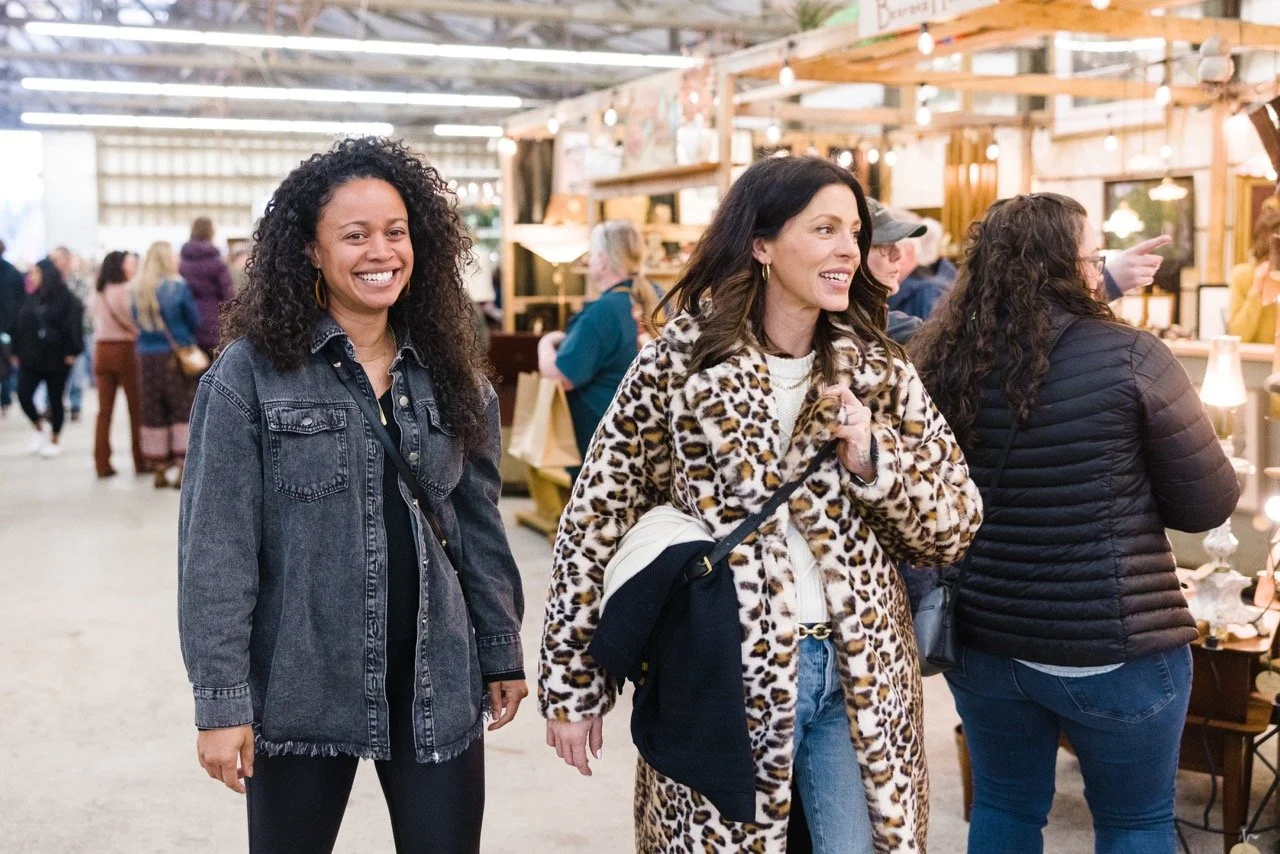
A shopper walks through the doors, takes a few steps in, and pauses. There’s a moment—brief but noticeable—where expectation meets reality. Then comes the smile, and often the same comment:
“Wait… this isn’t what I expected.”
For many, the name The Great Junk Hunt brings to mind something familiar: long rows of tables, piles to dig through, the chance of uncovering a hidden treasure if you’re willing to put in the time.
And while the thrill of the hunt is still very much alive, what people find inside tells a slightly different story.
The Hunt, Reimagined
Walk the aisles and it becomes clear—this is not a traditional flea market.
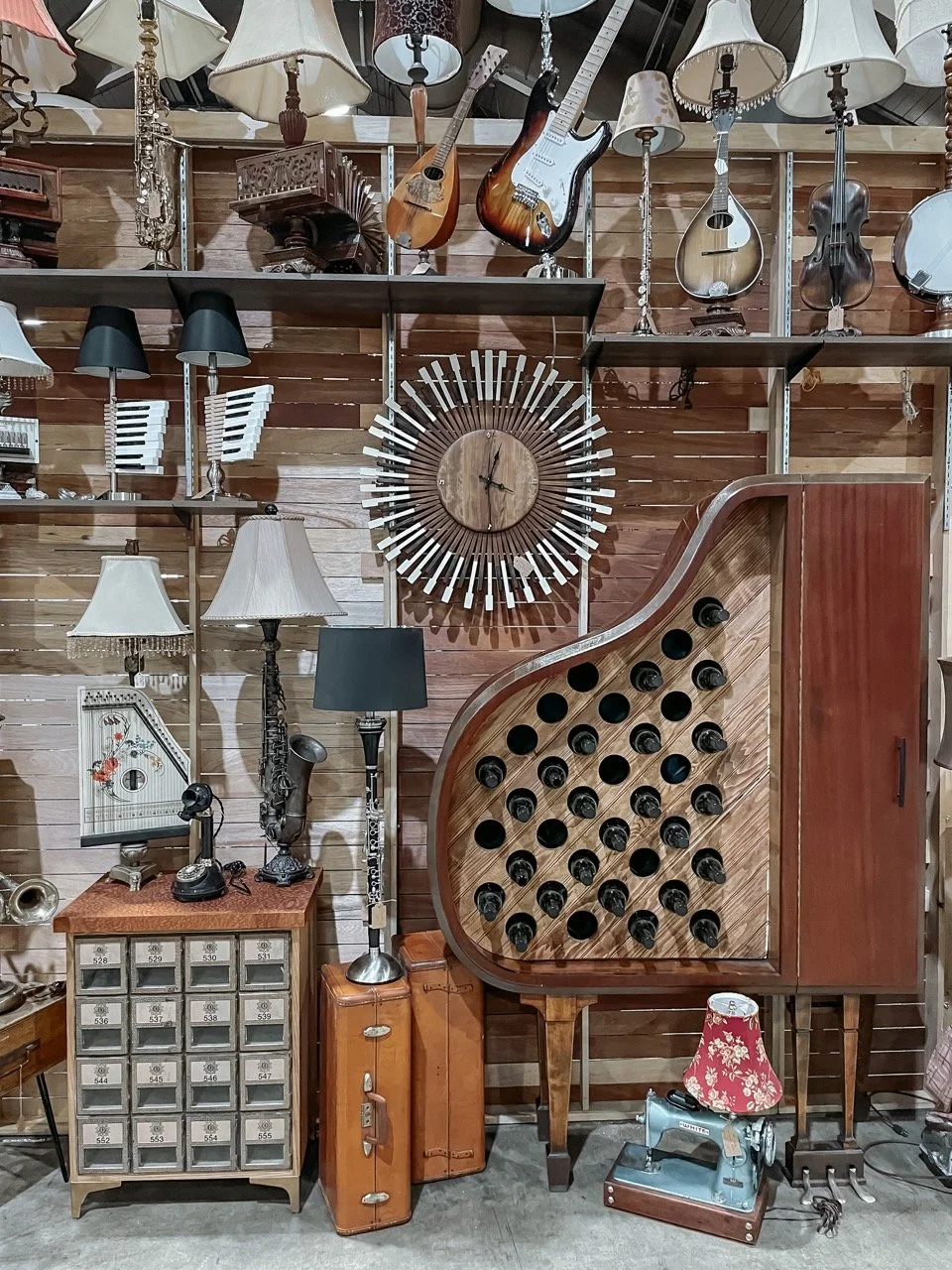
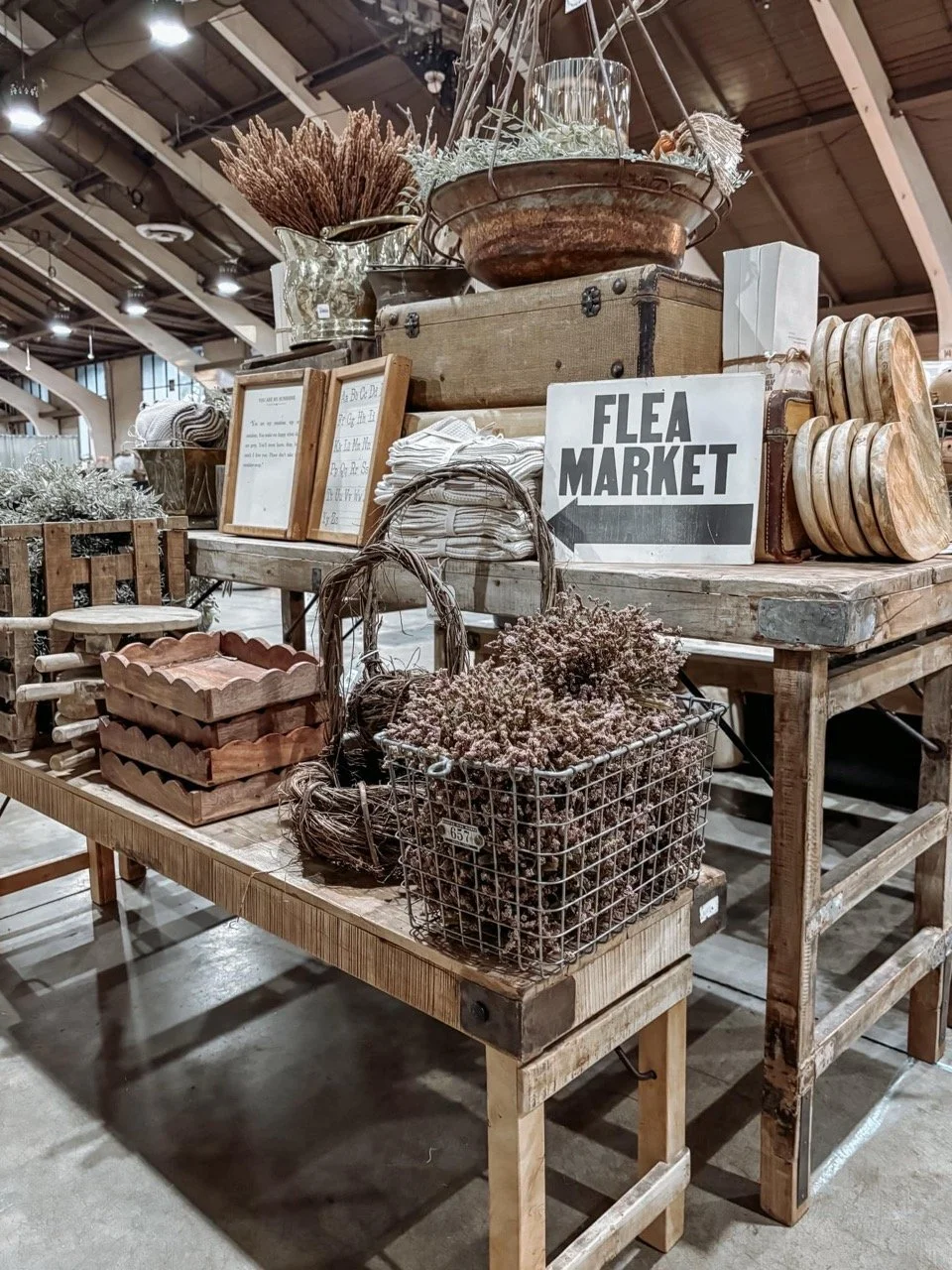
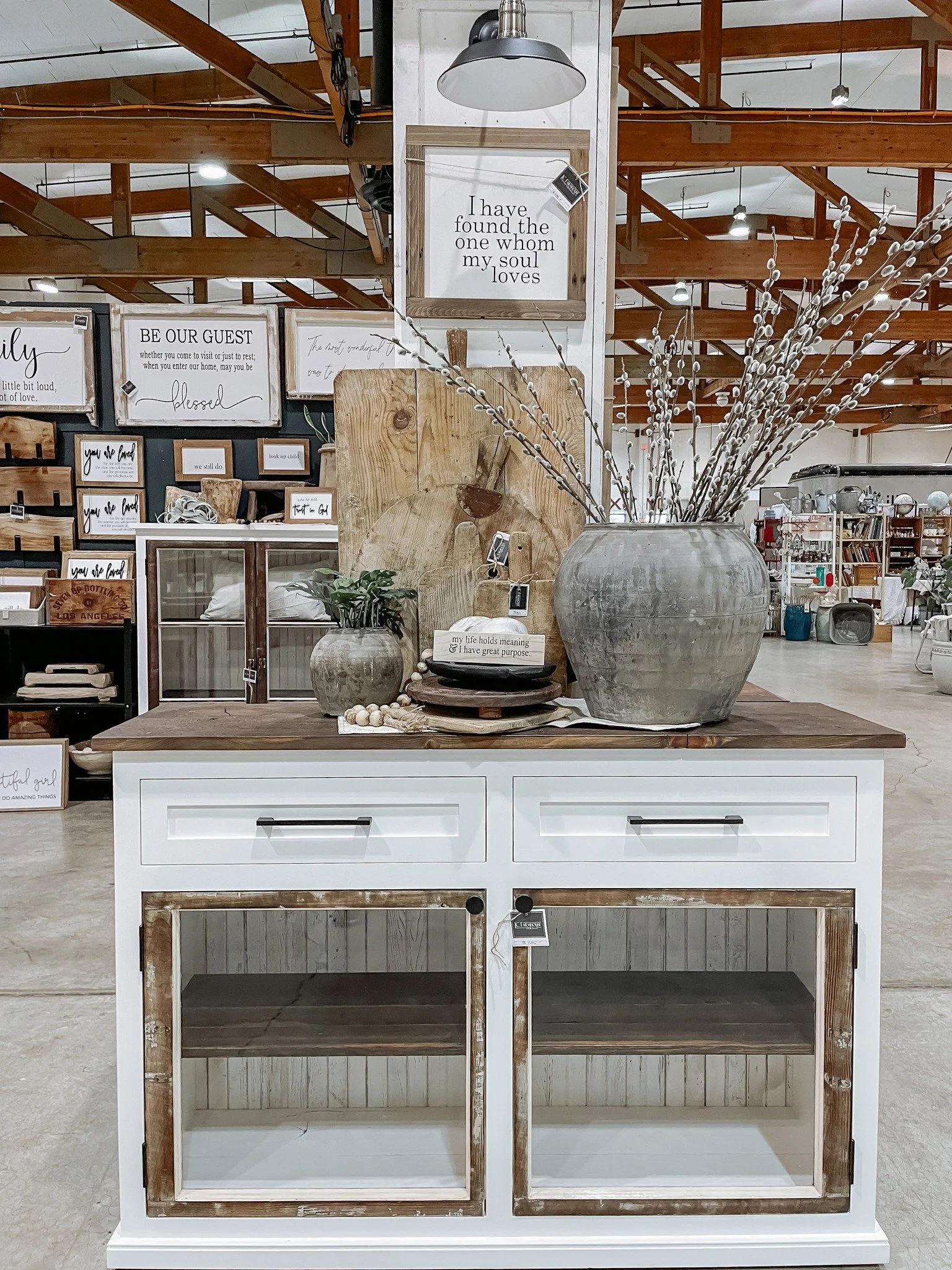
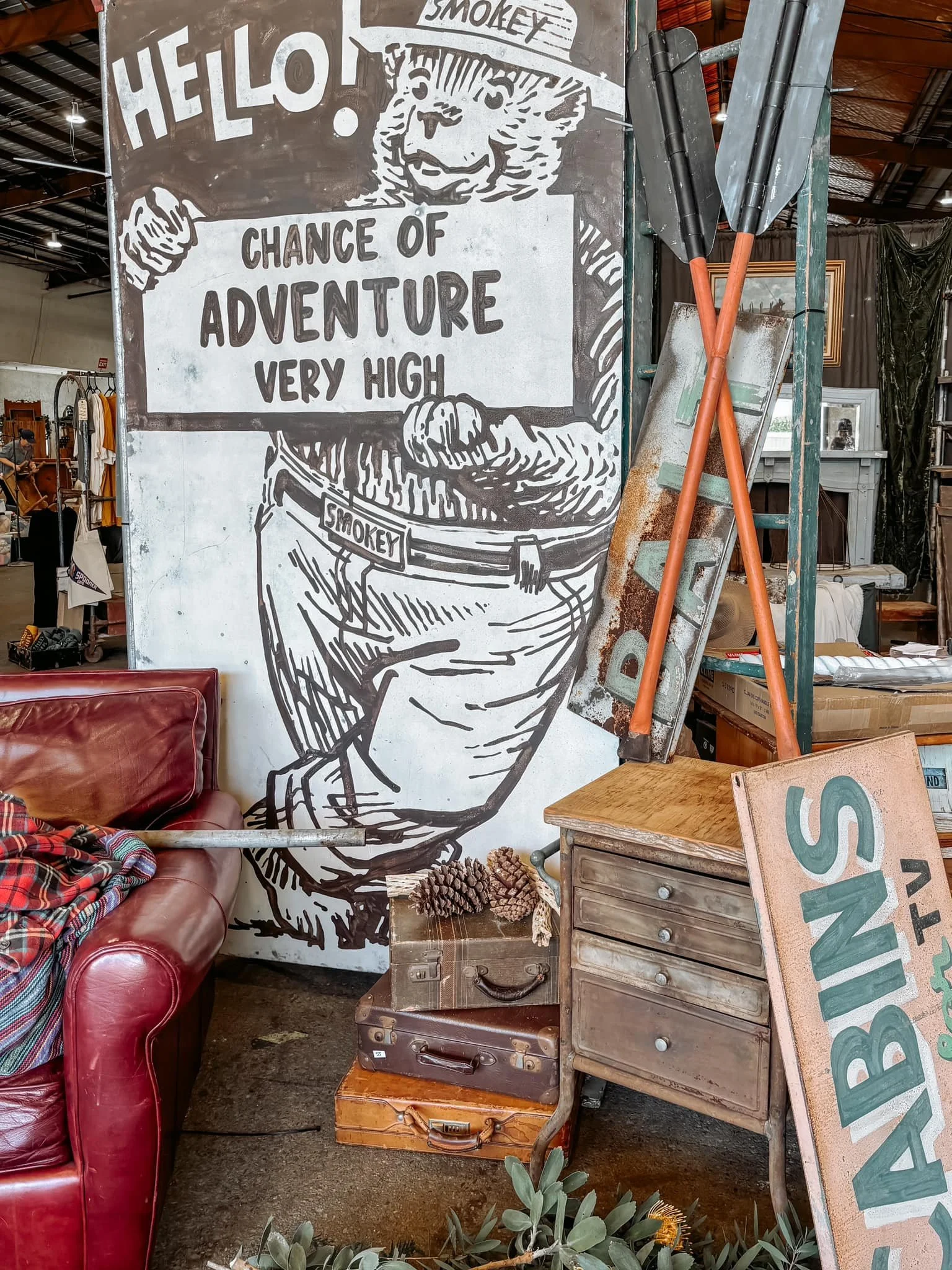
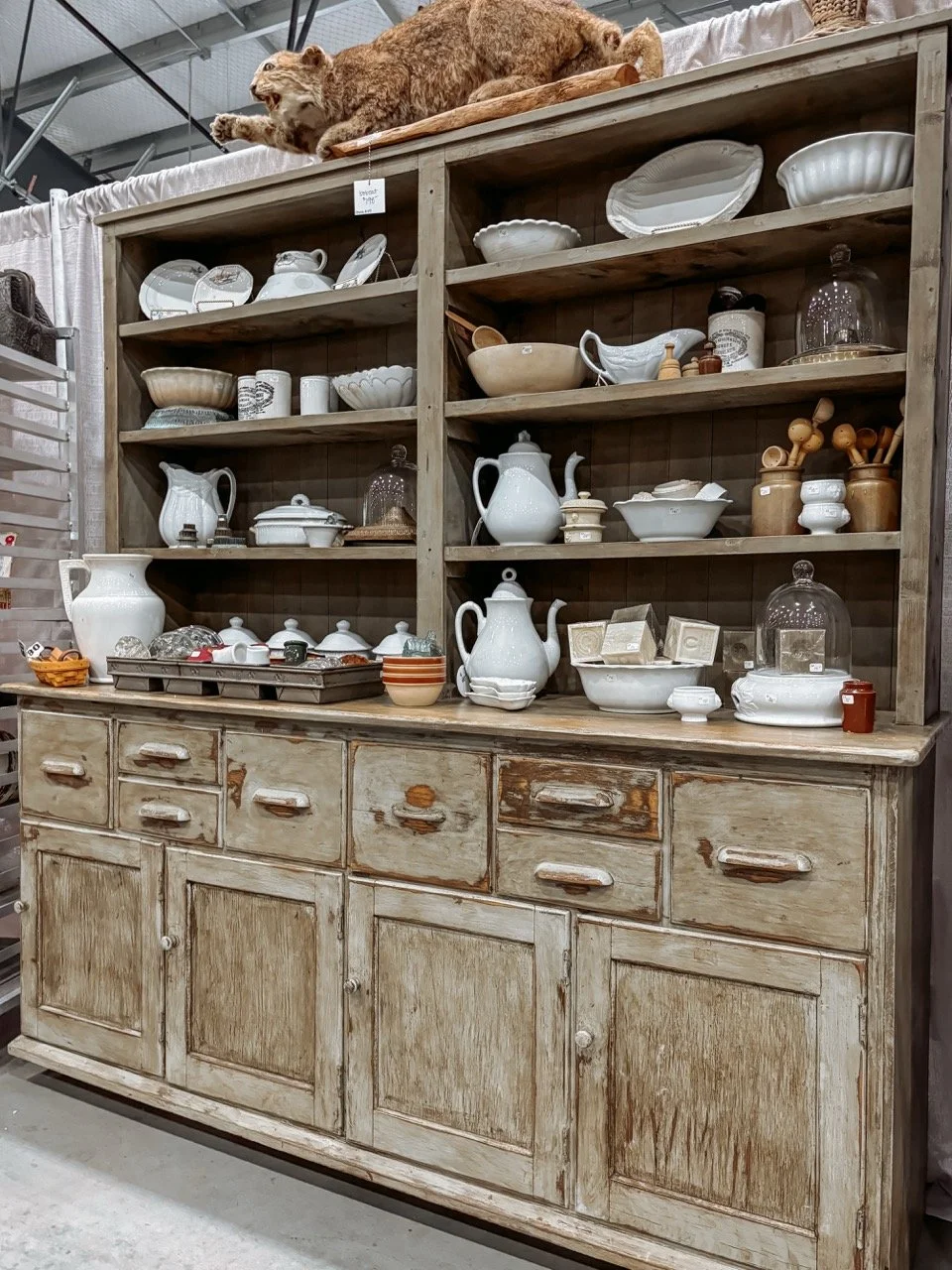
Instead of cluttered tables, the space is filled with thoughtfully designed booths. Displays are layered and intentional. Pieces are arranged with care. Each booth feels more like a small shop than a temporary setup.
That distinction is not accidental.
Behind the scenes, every vendor is selected with purpose. The goal is not simply to fill space, but to create a cohesive experience—one where each booth contributes to the overall look, feel, and quality of the market.
Vendors are chosen not only for what they sell, but for how they present it. The result is a market that feels curated rather than crowded, and elevated rather than overwhelming.
Why Curation Matters
At its core, the idea of a “junk hunt” has always been about discovery. But discovery does not have to mean digging through the unknown.
Over time, the approach has evolved.
Rather than relying on chance, The Great Junk Hunt focuses on intention. The curation process ensures that what shoppers encounter is already filtered through a lens of quality, creativity, and style. It removes the friction while preserving the excitement.
Shoppers are still discovering pieces they didn’t know they needed. The difference is that they are doing so in an environment where every turn holds something worth noticing.
A Shift in Expectation
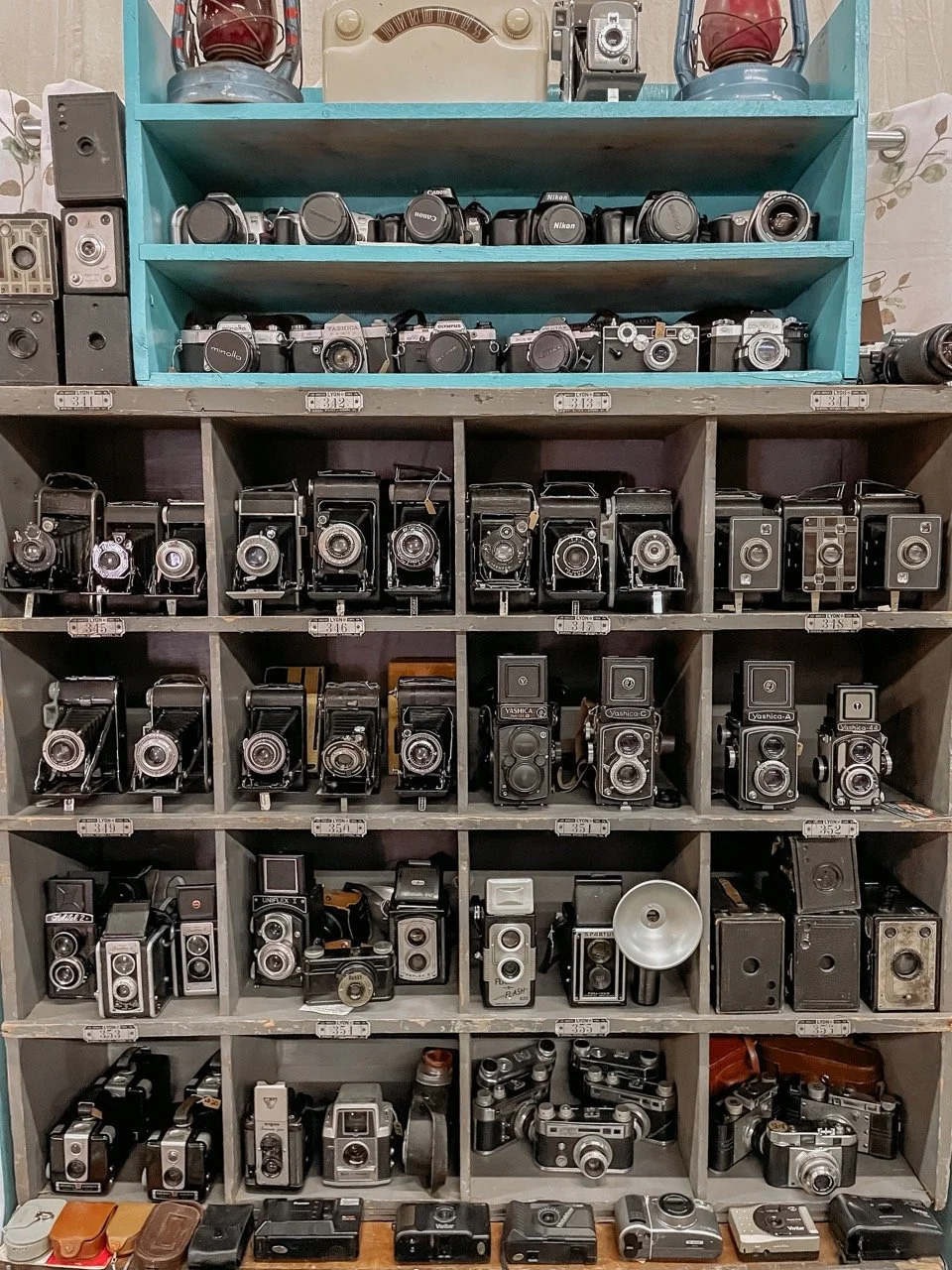
It is not uncommon for first-time attendees to describe the experience as more boutique than flea market. That observation speaks to a broader shift—not just in this event, but in how people shop for vintage and home décor.
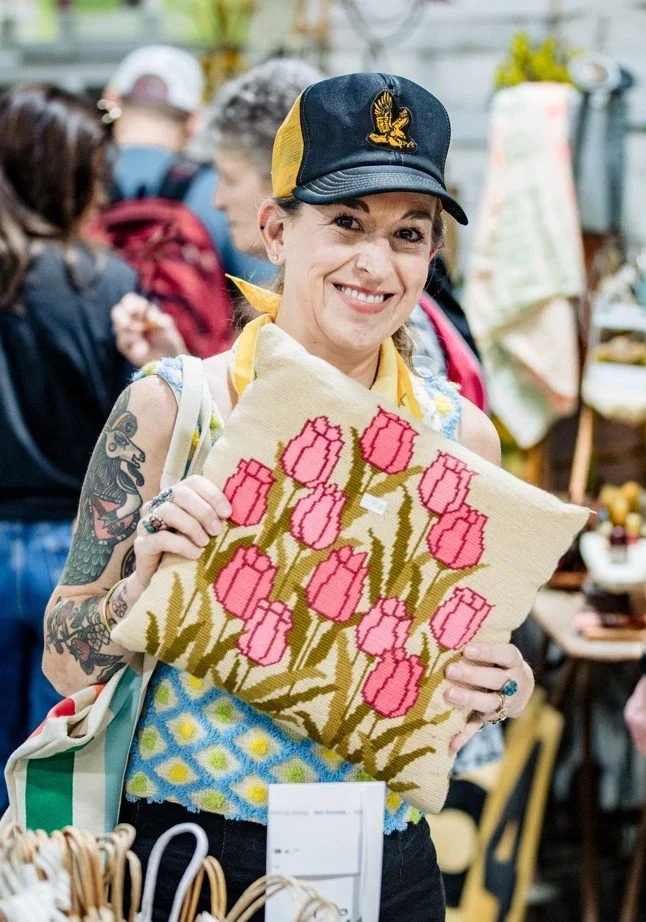
Today’s shopper is not simply looking for an item. They are looking for a feeling. A look. A way to bring character and personality into their space.
Curation allows that to happen more easily. It creates an environment where inspiration is immediate, and where the connection between object and home feels clear.
Still a Hunt at Heart
Despite the refinement, the essence of the hunt remains intact.
Shoppers still move quickly from booth to booth, scanning for something that stands out. Conversations still happen in the aisles—“Did you see that?” “I almost missed this.” “I can’t believe I found this here.”
The difference is not in the presence of the hunt, but in its quality.
It is no longer about searching through everything to find something good. It is about being surrounded by good things and finding the one that speaks to you.
Redefining “Junk”
In many ways, the name has taken on a new meaning.
What was once considered “junk” is now recognized for what it truly is: pieces with history, craftsmanship, and character. Objects that have lived a life before and are ready for another.
That perspective is at the heart of The Great Junk Hunt.
It is not about excess. It is not about randomness. It is about thoughtful selection, creative presentation, and the quiet satisfaction of finding something that feels just right.
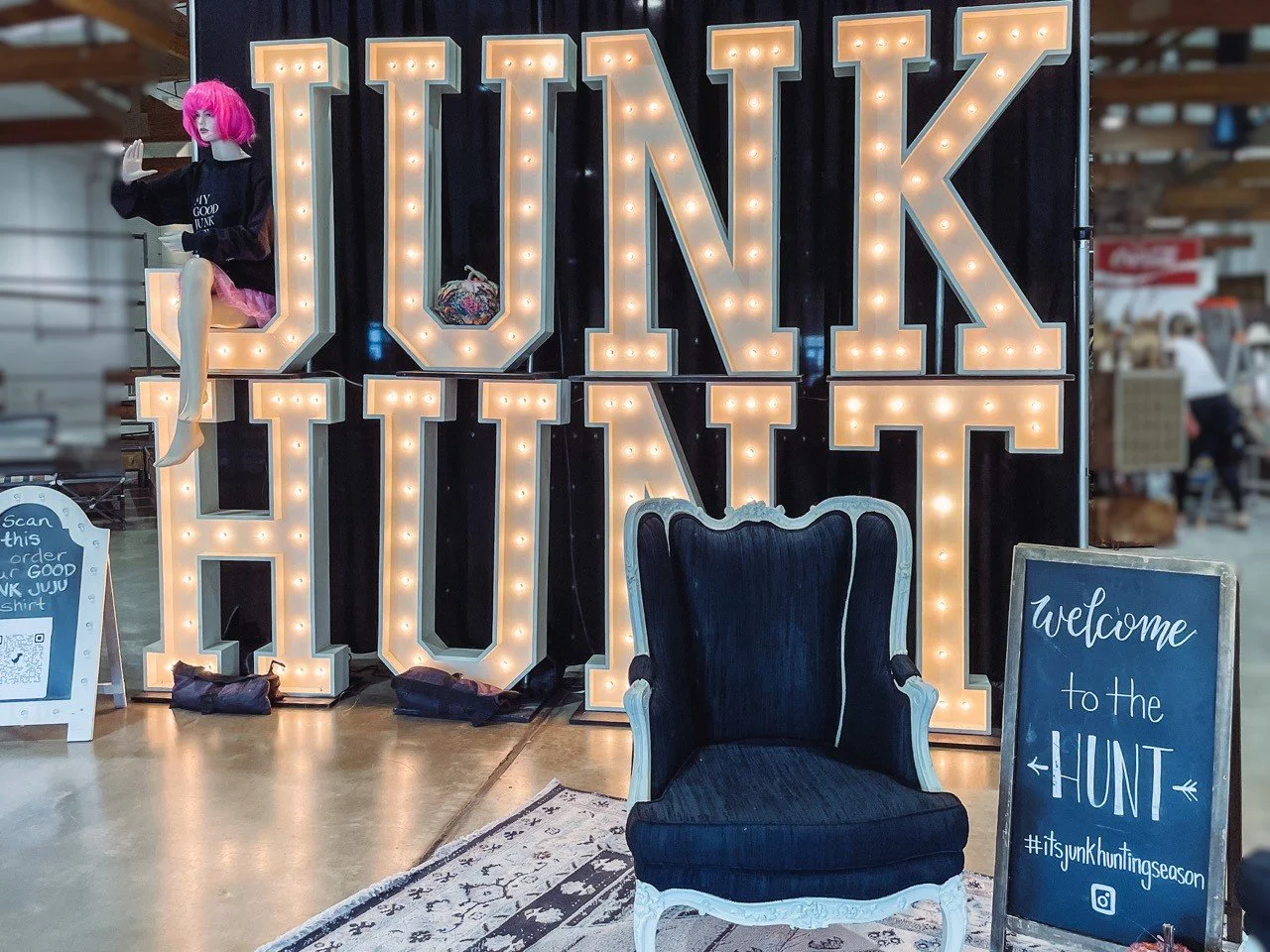
The Experience
For those who attend, the takeaway is often the same.
It is not just about what they bought. It is about how it felt to be there.
The energy of the crowd. The visual inspiration at every turn. The sense that each booth holds something worth discovering.
So, while the name may suggest one thing, the experience tells another story.
It is still a hunt.
Just a better one.